Class IV Deep Tissue Laser Therapy in Baton Rouge
Evolve Physical Therapy and Sports now offers Class IV Deep Tissue Laser Therapy in Baton Rouge as part of its individualized approach to pain relief, injury recovery, and rehabilitation.
Class IV laser therapy uses therapeutic light energy to target painful or injured areas of the body. It may help reduce pain, improve function, and support recovery for certain musculoskeletal conditions.
At Evolve, we don’t treat laser therapy as a one-size-fits-all solution. It is one of several treatment options our physical therapists may incorporate into a personalized rehabilitation plan based on your injury, symptoms, and goals.
What Is Class IV Deep Tissue Laser Therapy?
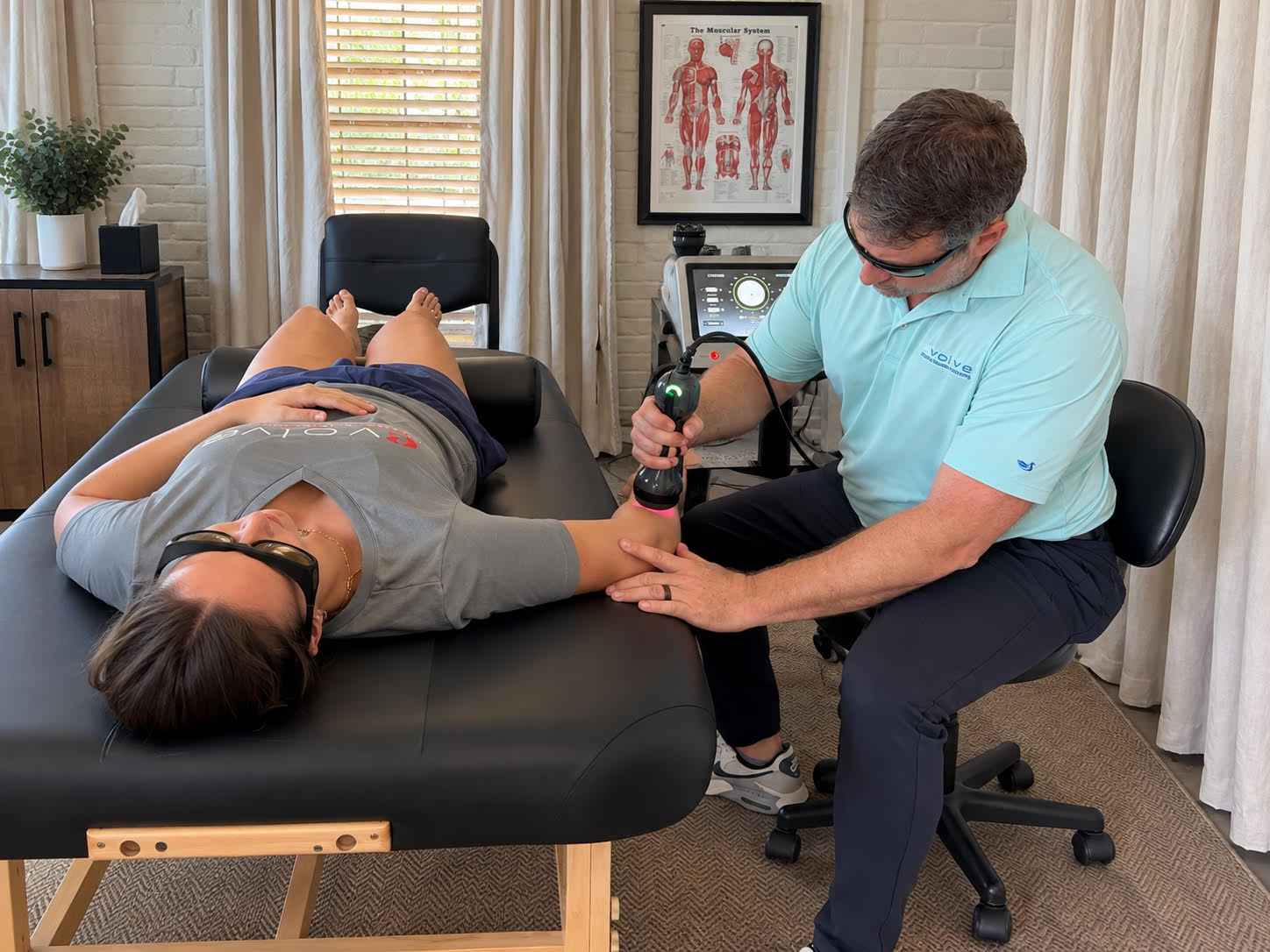
Class IV Deep Tissue Laser Therapy is a non-invasive treatment that uses concentrated therapeutic light to target painful or injured tissues.
The treatment uses red and near-infrared wavelengths of light that cells in the treatment area can absorb. This process, known as photobiomodulation, may influence biological processes associated with pain, inflammation, and tissue recovery.
Unlike surgical lasers, Class IV therapeutic lasers do not cut or remove tissue.
Because Class IV lasers operate at higher power levels than many low-level or consumer light therapy devices, they can deliver therapeutic energy efficiently to larger or deeper treatment areas.
What Are the Benefits of Class IV Laser Therapy?
Class IV laser therapy may help reduce musculoskeletal pain, improve function, and make movement more comfortable during rehabilitation.
Depending on the condition and treatment plan, potential benefits may include:
- Reduced pain
- Improved comfort with movement
- Reduced stiffness
- Support for the body’s normal recovery processes
- Improved function
- Non-invasive treatment
- No medication required
- The ability to combine laser therapy with physical therapy and exercise
Research on high-intensity laser therapy has found potential benefits for pain and physical function in a variety of musculoskeletal conditions, although results and treatment protocols vary by condition. Research published in PubMed supports its use as an adjunct within a broader treatment plan rather than as a replacement for rehabilitation.
Benefits can vary depending on the condition being treated, the severity of the injury, and the individual patient.
How Does Class IV Laser Therapy Work?
Class IV laser therapy delivers specific wavelengths of light energy into a targeted treatment area.
Cells can absorb this light energy through a process known as photobiomodulation. This interaction may influence cellular activity and biological processes related to pain, inflammation, and tissue recovery.
For patients, the goal is practical: reduce barriers such as pain or stiffness that may be making movement and rehabilitation more difficult.
Laser therapy may be used during a treatment session or incorporated alongside other physical therapy treatments.
What Conditions Can Class IV Laser Therapy Help With?
Class IV laser therapy may be used as part of a treatment plan for a variety of muscle, tendon, joint, and soft tissue conditions.
Conditions may include:
- Muscle strains
- Tendonitis and tendon irritation
- Ligament injuries
- Joint pain
- Arthritis-related pain and stiffness
- Plantar fasciitis
- Back pain
- Neck pain
- Shoulder pain
- Knee pain
- Foot and ankle injuries
- Sports injuries
- Overuse injuries
- Soft tissue injuries
- Exercise-related soreness
Laser therapy is not appropriate for every person or every condition. An evaluation can help determine whether it should be included in your treatment plan.
How Is Class IV Laser Therapy Different From Red Light Therapy?
Class IV laser therapy and traditional red light therapy both use light, but they differ in power, delivery, and use.
Many consumer red light devices deliver relatively low levels of light across a broad area.
Class IV therapeutic lasers deliver higher-powered, targeted light and allow the treatment settings to be adjusted based on the area being treated and the patient’s individual needs.
For someone experiencing pain or recovering from an injury, the more important question is not simply whether light therapy may help.
It is whether a particular treatment is appropriate for the specific condition, symptoms, and recovery goals.
How Is Class IV Laser Therapy Used With Physical Therapy?
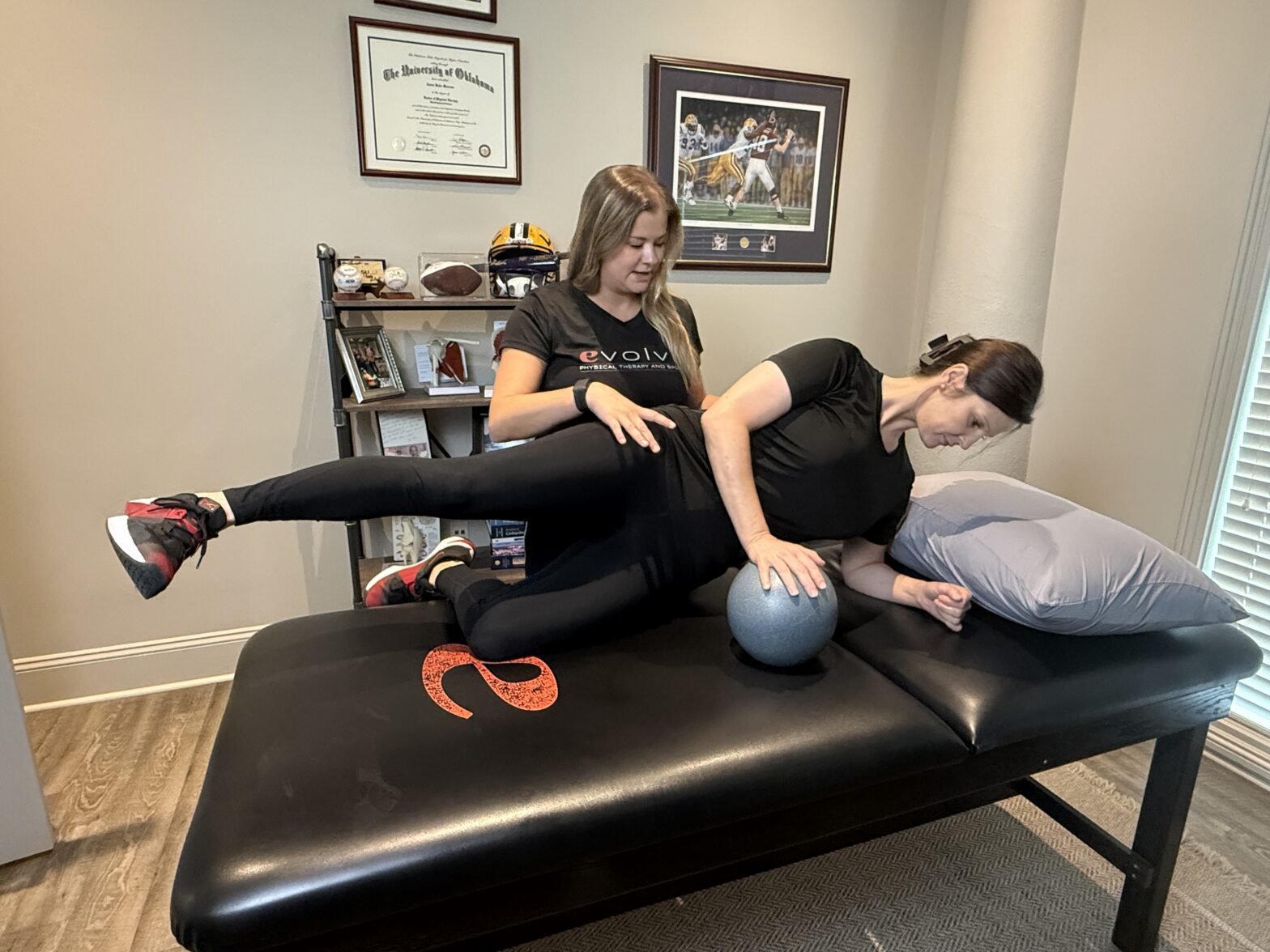
Class IV laser therapy can be incorporated into physical therapy to help address pain and other symptoms while rehabilitation focuses on restoring movement, strength, and function.
Depending on your needs, your Evolve physical therapist may combine laser therapy with treatments such as:
- Therapeutic exercise
- Strengthening
- Mobility work
- Manual physical therapy
- Dry needling
- Blood flow restriction training
- Balance and stability training
- Sports-specific rehabilitation
Reducing pain can make it easier for some patients to participate in the exercises and movements required during rehabilitation.
The treatment plan is based on what the patient needs, not simply which treatments are available.
Is Class IV Laser Therapy Similar to Dry Needling or Cupping?
Class IV laser therapy is different from dry needling and cupping, but all three can be used as treatment tools within a larger physical therapy program.
Dry needling uses thin needles to target muscles and other tissues. Cupping uses suction on the skin and underlying tissues.
Class IV laser therapy is non-invasive and uses therapeutic light.
A physical therapist may choose one or more of these techniques depending on the patient’s condition, symptoms, and rehabilitation goals.
None of these treatments automatically replaces the strength, mobility, and movement work that may be needed for long-term recovery.
Is Class IV Laser Therapy Painful?
Class IV laser therapy is non-invasive and is generally comfortable for patients.
Depending on the treatment settings and area being treated, you may notice a gentle warming sensation as the laser is moved across the skin.
There are no needles or incisions involved.
Your physical therapist will explain the treatment and monitor your comfort throughout the session.
How Long Does a Class IV Laser Therapy Session Take?
Class IV laser treatment is typically relatively brief, although the exact treatment time depends on the area being treated and the individual treatment plan.
A smaller treatment area may require less time than a larger muscle group or joint.
When laser therapy is being used as part of physical therapy, it may be incorporated into a broader rehabilitation appointment rather than serving as the entire visit.
How Many Class IV Laser Therapy Treatments Will I Need?
The number of Class IV laser therapy treatments needed varies by patient and condition.
Factors that may influence the treatment plan include:
- The type of injury or condition
- How long symptoms have been present
- The severity of the problem
- The area being treated
- Activity level
- Treatment goals
- Response to therapy
After evaluating your condition, your physical therapist can recommend an appropriate frequency.
Can Class IV Laser Therapy Help Athletes Recover From Sports Injuries?
Class IV laser therapy may help athletes manage pain and other symptoms associated with certain sports injuries while they work through a comprehensive rehabilitation program.
It may be considered for conditions such as:
- Muscle strains
- Tendon irritation
- Joint pain
- Overuse injuries
- Foot and ankle injuries
- Knee pain
- Shoulder injuries
For athletes, reducing pain is only one part of returning to activity.
Sports injury physical therapy may also focus on restoring:
- Strength
- Mobility
- Stability
- Coordination
- Power
- Sport-specific movement
- Confidence in the injured area
Evolve regularly works with athletes and active adults whose goal is not simply to feel better, but to safely return to training, competition, and everyday activity.
“Robbie catered my program specific to my body and allowed me to stay on the field!”
– Mason Katz
That same individualized approach guides how treatments such as Class IV laser therapy are incorporated into care.
Athletes may also benefit from Evolve’s sports medicine and performance programs, which focus on strength, stability, movement, and athletic performance.
Can Class IV Laser Therapy Help Plantar Fasciitis?
Class IV laser therapy may be used as part of a physical therapy treatment plan for plantar fasciitis and heel pain.
Laser therapy may help address pain and irritated tissue, while physical therapy for foot and ankle pain can address other factors that may contribute to plantar fasciitis, including:
- Calf and ankle mobility
- Foot strength
- Activity levels
- Training load
- Movement mechanics
- Footwear
Your therapist can determine the most appropriate combination of treatments.
Can Class IV Laser Therapy Help Tendonitis?
Class IV laser therapy may be used to help manage pain associated with certain tendon conditions, including tendonitis and overuse injuries.
Tendon problems may affect areas such as:
- Achilles tendon
- Patellar tendon
- Shoulder
- Elbow
- Foot and ankle
Because tendons must regain their ability to tolerate physical load, treatment often includes progressive strengthening and movement-based rehabilitation in addition to symptom management.
Depending on the area involved, manual physical therapy and other rehabilitation techniques may also be incorporated into the treatment plan.
Can Class IV Laser Therapy Help Arthritis and Joint Pain?
Class IV laser therapy may help some patients manage pain and stiffness associated with arthritis and other joint conditions.
Laser therapy does not reverse arthritis or structural changes within a joint.
Instead, it may be considered as part of a broader treatment plan focused on improving comfort, mobility, strength, and overall function.
A physical therapist can evaluate the joint and determine whether laser therapy may be appropriate.
Why Choose Evolve for Class IV Laser Therapy in Baton Rouge?
Choose Evolve for Class IV Laser Therapy in Baton Rouge because physical therapists guide treatment by evaluating the entire patient and incorporating laser therapy only when it supports the individual’s rehabilitation goals.
At Evolve Physical Therapy and Sports, the goal is not simply to treat the painful area.
Our therapists look at how you move, what may be contributing to the problem, and what you need to do again.
Individualized Treatment
Every patient has different symptoms, physical demands, and goals. Your treatment plan is built around those differences.
Evolve’s approach to physical therapy begins with evaluating factors such as mobility, balance, range of motion, pain, and the patient’s individual goals.
Physical Therapist-Led Care
Laser therapy can be used as part of a broader physical therapy plan rather than as an isolated treatment.
A Focus on Movement and Function
Pain relief matters, but so does improving the strength, mobility, and function needed for everyday life, work, or sports.
Experience Treating Athletes
Evolve works extensively with athletes and active adults who want to safely return to training and competition.
Their sports injury rehabilitation and sports medicine programs are designed around the individual athlete’s needs, activity level, and goals.
Multiple Treatment Options
Depending on your needs, treatment may include laser therapy, therapeutic exercise, manual therapy, dry needling, blood flow restriction training, and other rehabilitation techniques.
The treatment plan follows the patient, not the machine.
Is Class IV Laser Therapy Right for Me?
Class IV laser therapy may be worth considering if pain, stiffness, or an injury makes it difficult to move, exercise, or participate in everyday activities.
You may want to ask about laser therapy if symptoms are affecting your ability to:
- Exercise
- Play sports
- Run or walk
- Work
- Lift
- Train
- Sleep comfortably
- Move without pain
- Return to normal activity
The best way to determine whether Class IV laser therapy is appropriate is to have a healthcare professional evaluate your condition.
Request an appointment with Evolve Physical Therapy to discuss your symptoms and treatment options.
Frequently Asked Questions About Class IV Laser Therapy
Class IV laser therapy is a non-invasive treatment that uses therapeutic red and near-infrared light to target areas of pain or injury. It may help reduce pain and support improved function for certain musculoskeletal conditions.
Photobiomodulation is the biological response that occurs when cells absorb specific wavelengths of therapeutic light. It is the process behind many forms of therapeutic laser treatment.
Class IV laser therapy is generally comfortable. Some patients may experience mild warmth during treatment.
No. Class IV therapeutic lasers typically operate at higher power levels and deliver targeted therapeutic light under the direction of a trained healthcare professional.
Laser therapy may be incorporated into treatment for muscle strains, tendon conditions, joint pain, arthritis, plantar fasciitis, sports injuries, back pain, neck pain, and other musculoskeletal conditions.
Yes. Class IV laser therapy may be used alongside exercise, strengthening, mobility work, manual therapy and other physical therapy treatments.
Treatment response varies by condition and patient. Laser therapy may help reduce pain and support the rehabilitation process, but it should not be presented as a guarantee of faster healing.
There is no set number for every patient. Treatment frequency depends on the condition, severity, symptoms, and response to therapy.
Class IV laser therapy is non-invasive, but it is not appropriate for every patient or medical condition. Your provider should review your health history before beginning treatment.
Schedule Class IV Laser Therapy in Baton Rouge
If pain or an injury is keeping you from doing what you enjoy, Evolve Physical Therapy and Sports can help determine whether Class IV Deep Tissue Laser Therapy belongs in your treatment plan.
Our Baton Rouge physical therapists combine technology with individualized rehabilitation to help patients reduce pain, improve movement, and work toward getting back to the activities that matter most.